Role: Senior Product Designer · UI Leadership
Duration: 7 months
Copec Human Resources Platform
Role: Senior Product Designer · UI Leadership
Duration: 7 months
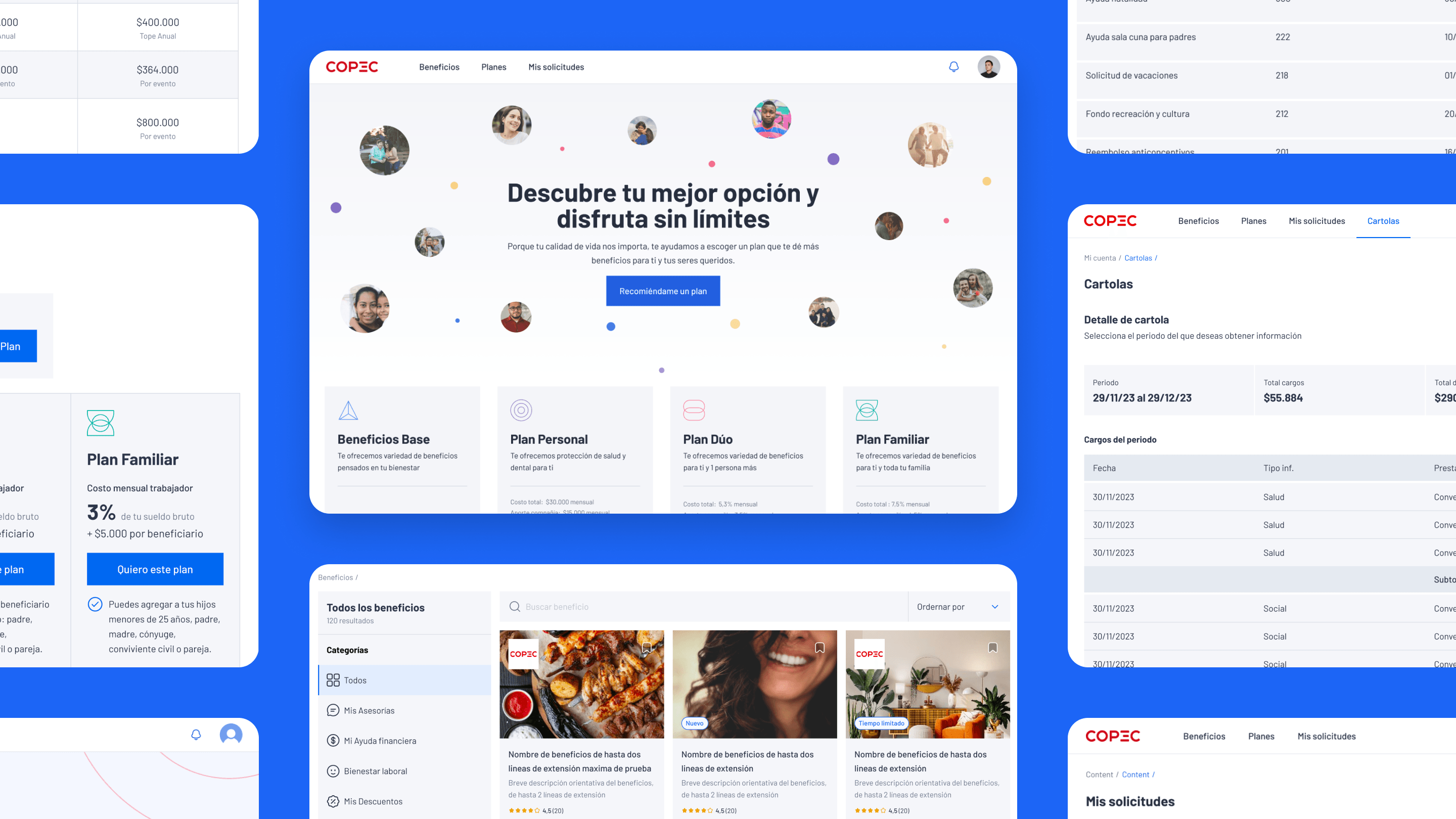
Copec, founded in 1934, is the leader in fuel and lubricant distribution in Chile, holding more than 40% of the market. The company has expanded into mobility, sustainability, and convenience services, operating more than 620 stations nationwide. It directly employs close to 13,000 people, which underscores the significant impact of its internal digital platforms.
The Challenge
Digitize an HR process that, until then, was largely manual. This created a heavy operational burden for administrators and significant uncertainty for employees, who had no visibility into the status of their requests — resulting in constant, fragmented communication among employees, managers, and HR.
In an organization the size of Copec, with more than 13,000 employees, this situation had become unsustainable. Compounding the problem was the need to implement a new flexible benefits model capable of adapting to different employee profiles — single, partnered, or with a family group — while incorporating co-payment schemes shared between the company and the employee.
The Solution
The approach centered on designing a centralized, standardized platform capable of responding consistently to the needs of the different profiles interacting with the system.
For employees, the priority was a clear and transparent experience that would allow them to:
The platform was also defined as the single channel for managing work-related requests, providing:
Process and My Contribution
Building the Right Thing
Building It Right
Building the Right Thing
Kickoff
Research
Definition
Building It Right
Design
Impact
lead
contributor
support
Building the Right Thing
contributor
During the initial phase, I took part in collaborative work with various stakeholders through workshops and one-on-one interviews, aiming to align expectations, define the project scope, and identify key organizational and operational constraints from the outset.
In parallel, user research was conducted through a large-scale survey and individual interviews, which helped define the user personas who would interact with the platform and provided a deep understanding of their needs, pain points, and expectations regarding the service redesign.
Journey maps were also developed for each profile, providing an end-to-end view of the processes, identifying key friction points, and surfacing opportunities to improve the existing experience.
Study results are confidential.
Definition
support
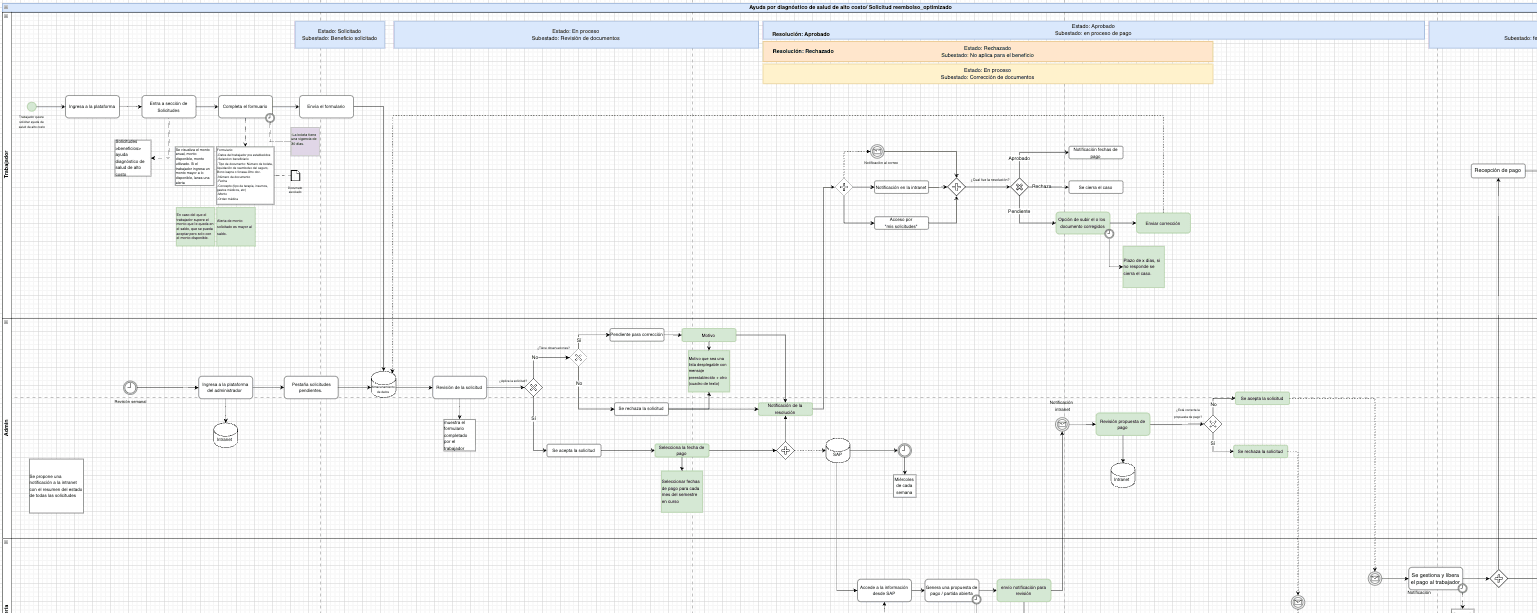
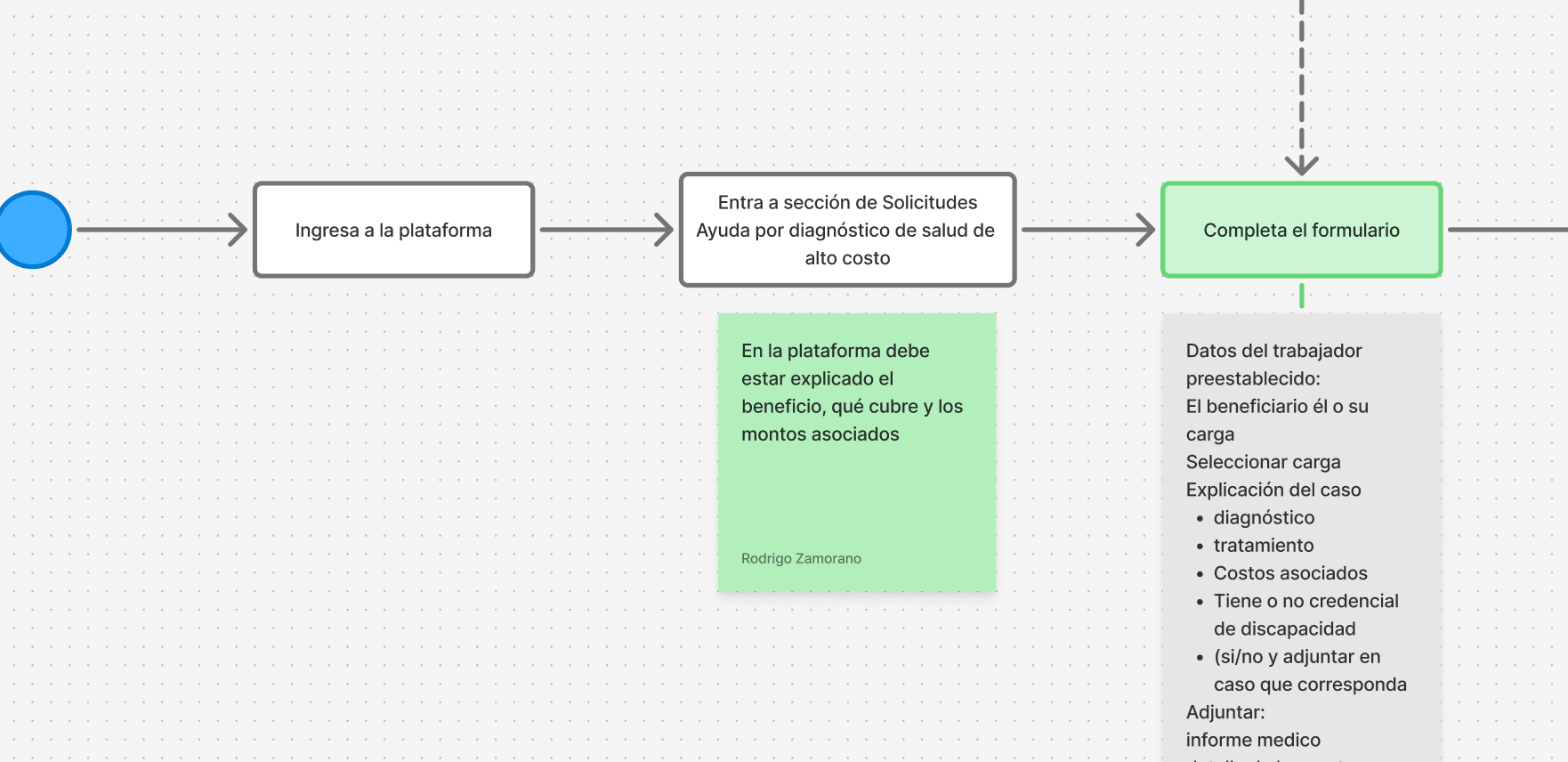
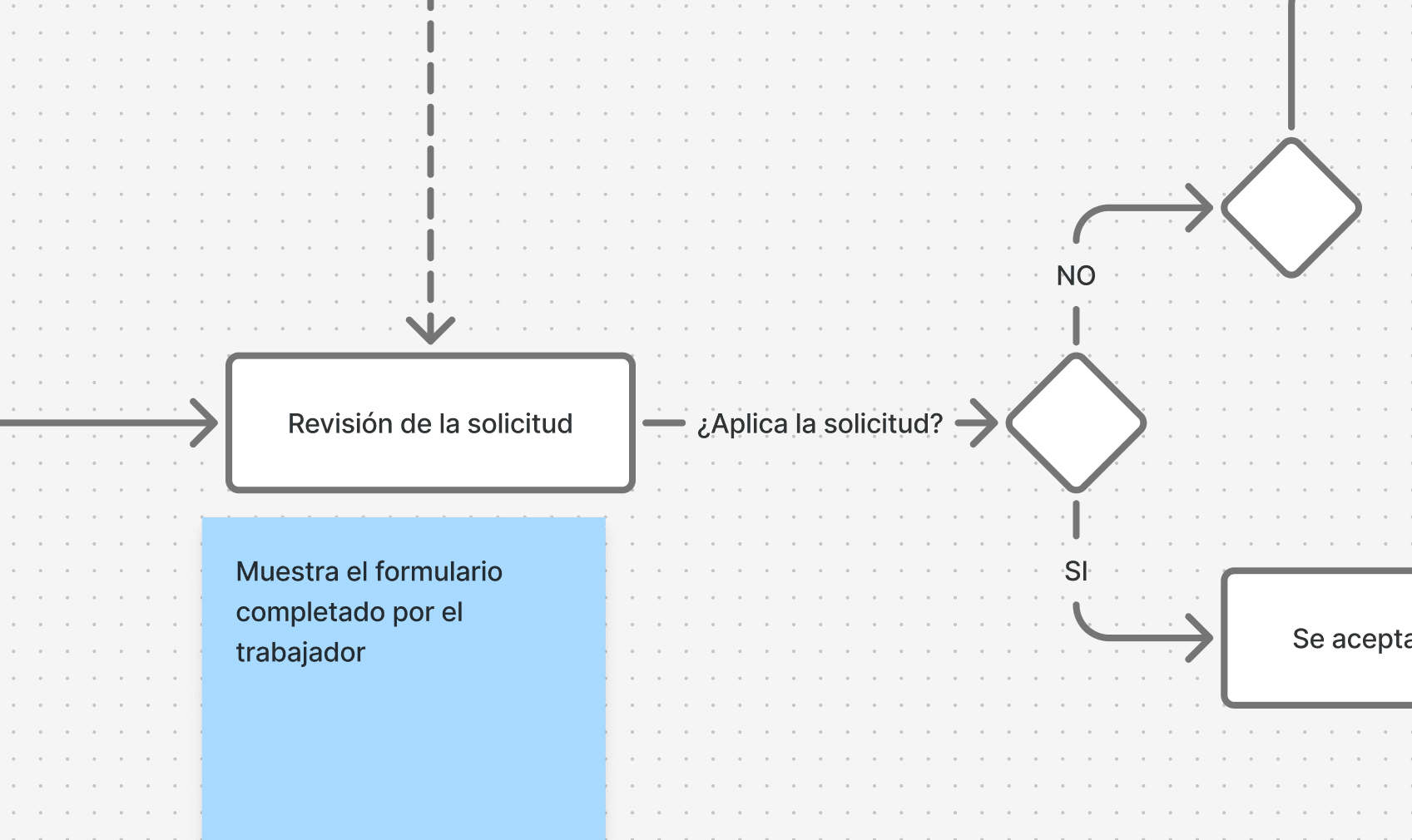
Building on the previous stage's findings, the definition phase began with mapping existing processes using BPMN diagrams, aiming to understand in detail how current flows worked and to identify opportunities for improvement.
Based on this analysis, the team worked on optimizing each process with digitization of the service in mind. This stage was carried out collaboratively with the project's various stakeholders, integrating technical, business, and user-experience perspectives to redefine flows that were more efficient, clearer, and scalable.
+30 flows
Mapped and optimized for digitization
≈40%
Reduction in request processing
Building It Right
lead
During the design phase, I was responsible for defining a strategy that would allow the team to move forward consistently and in a controlled way, given the scale and complexity of the platform. To that end, I prioritized designing a set of base screens that would establish the product's overall experience. These early definitions were tested with users and validated with stakeholders, which allowed for early iteration and confirmed that the proposal worked both in terms of experience and visual and interaction guidelines.
This approach laid the groundwork for scaling the design of the rest of the platform in a coherent and sustainable way.
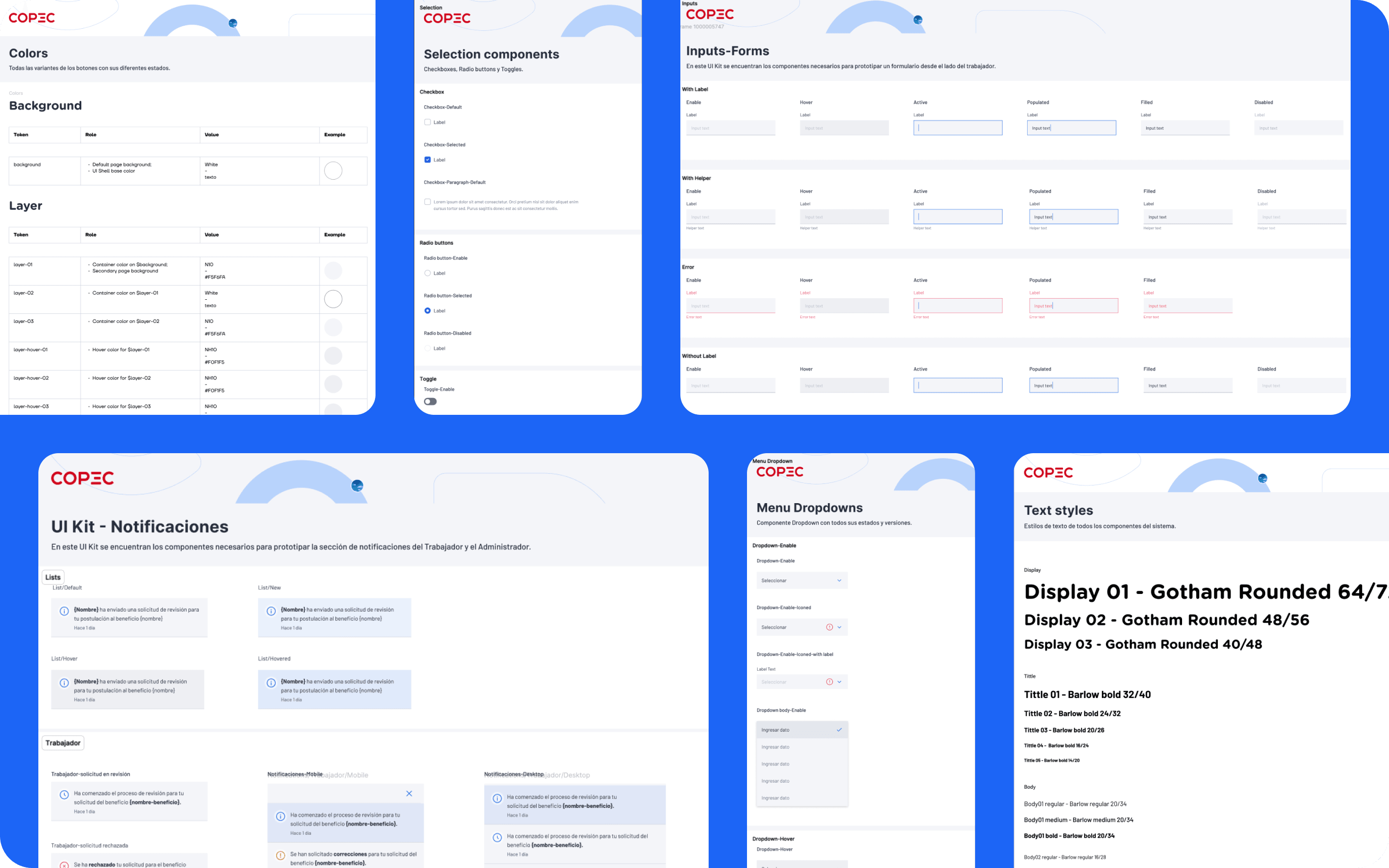
Design System
lead
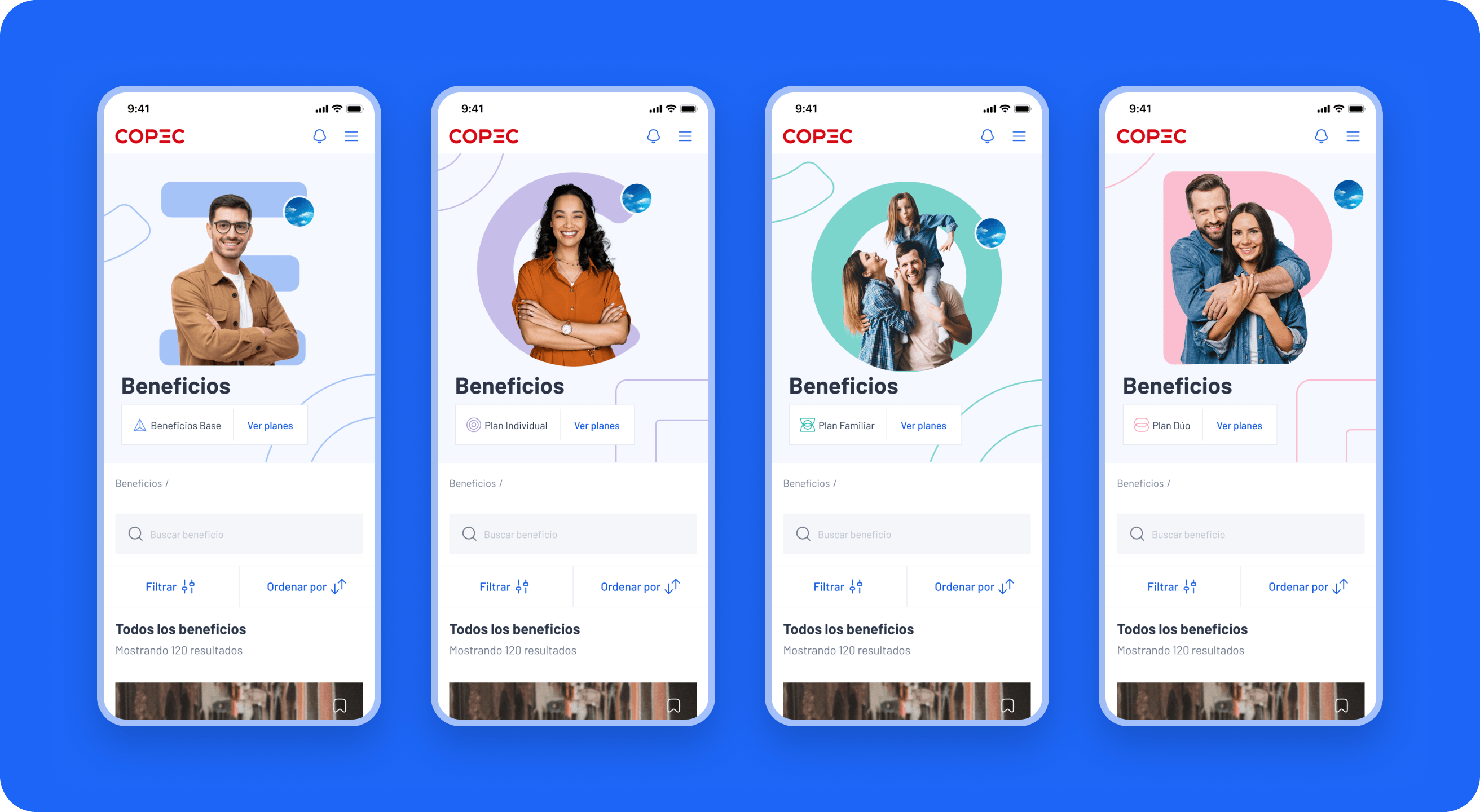
This approach led naturally into building a base design library that established the foundations of the platform's design system. Building on the earlier validations, reusable components and interaction patterns were defined, enabling faster and more consistent screen production.
The design system became a key part of the process, allowing the product to scale without losing consistency across sections, flows, and benefit types. Reusable templates were also defined for different scenarios, ensuring a consistent experience for all users. The entire system was built with a responsive approach, enabling access from both desktop and mobile devices.
Worker Platform
lead
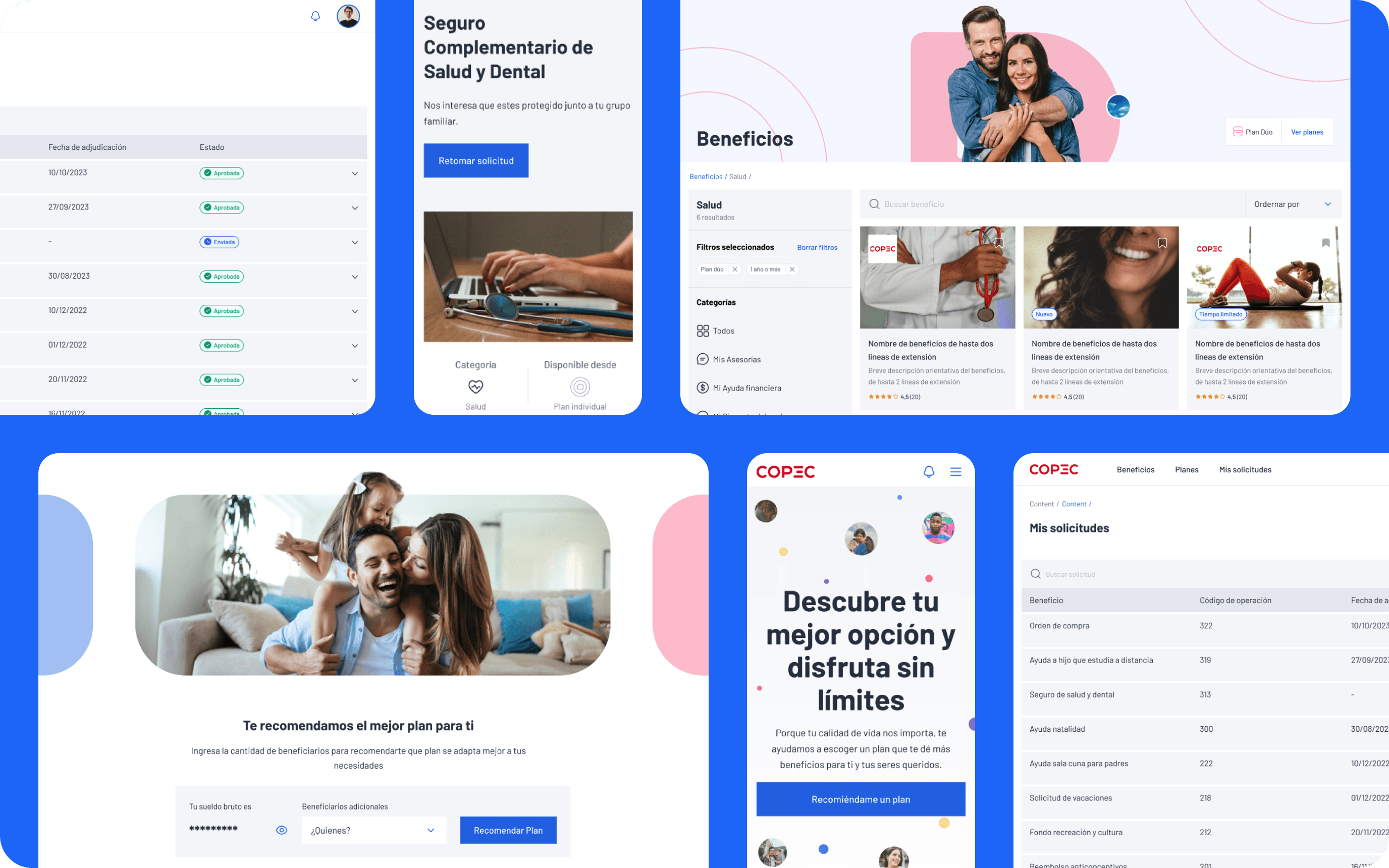
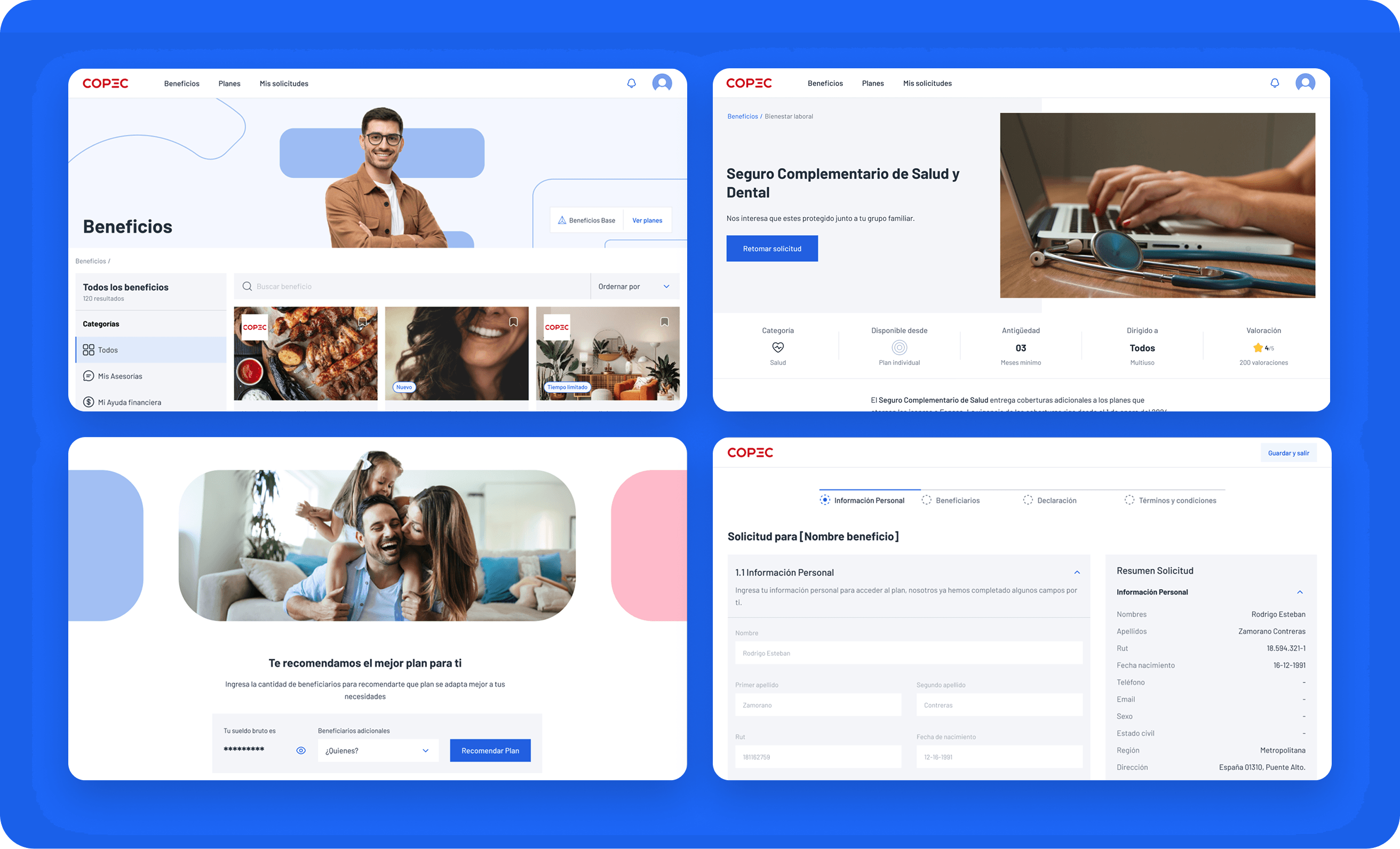
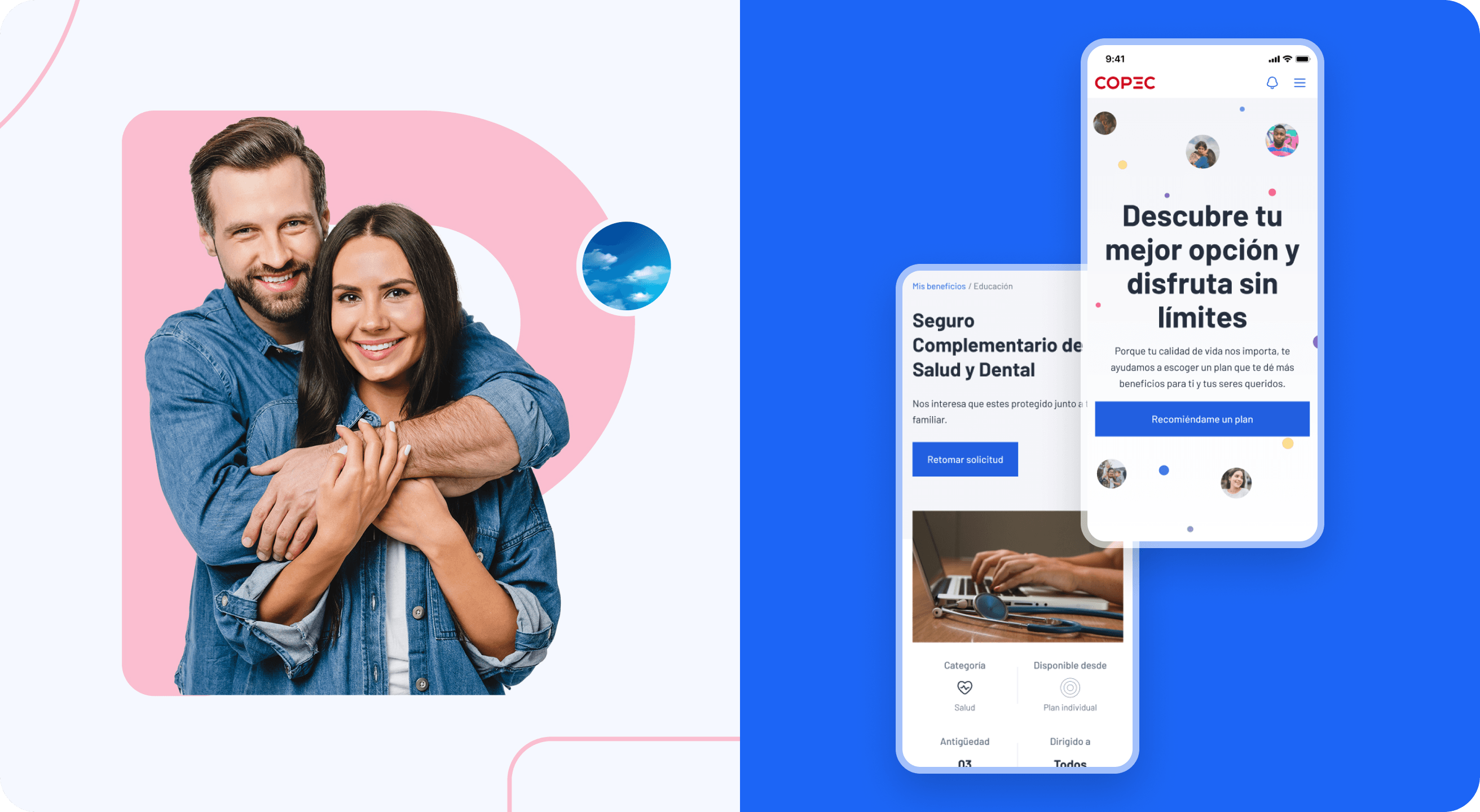
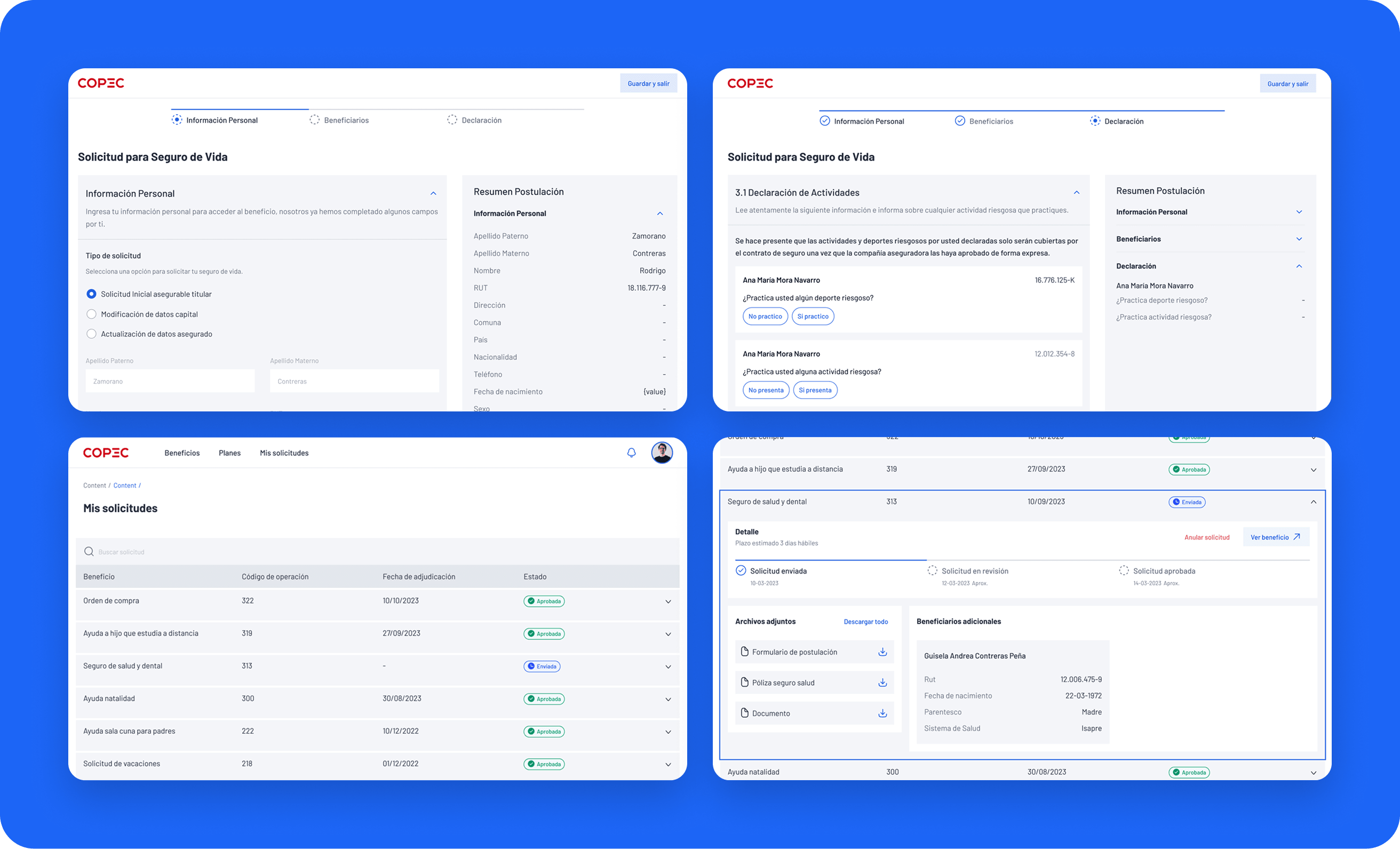
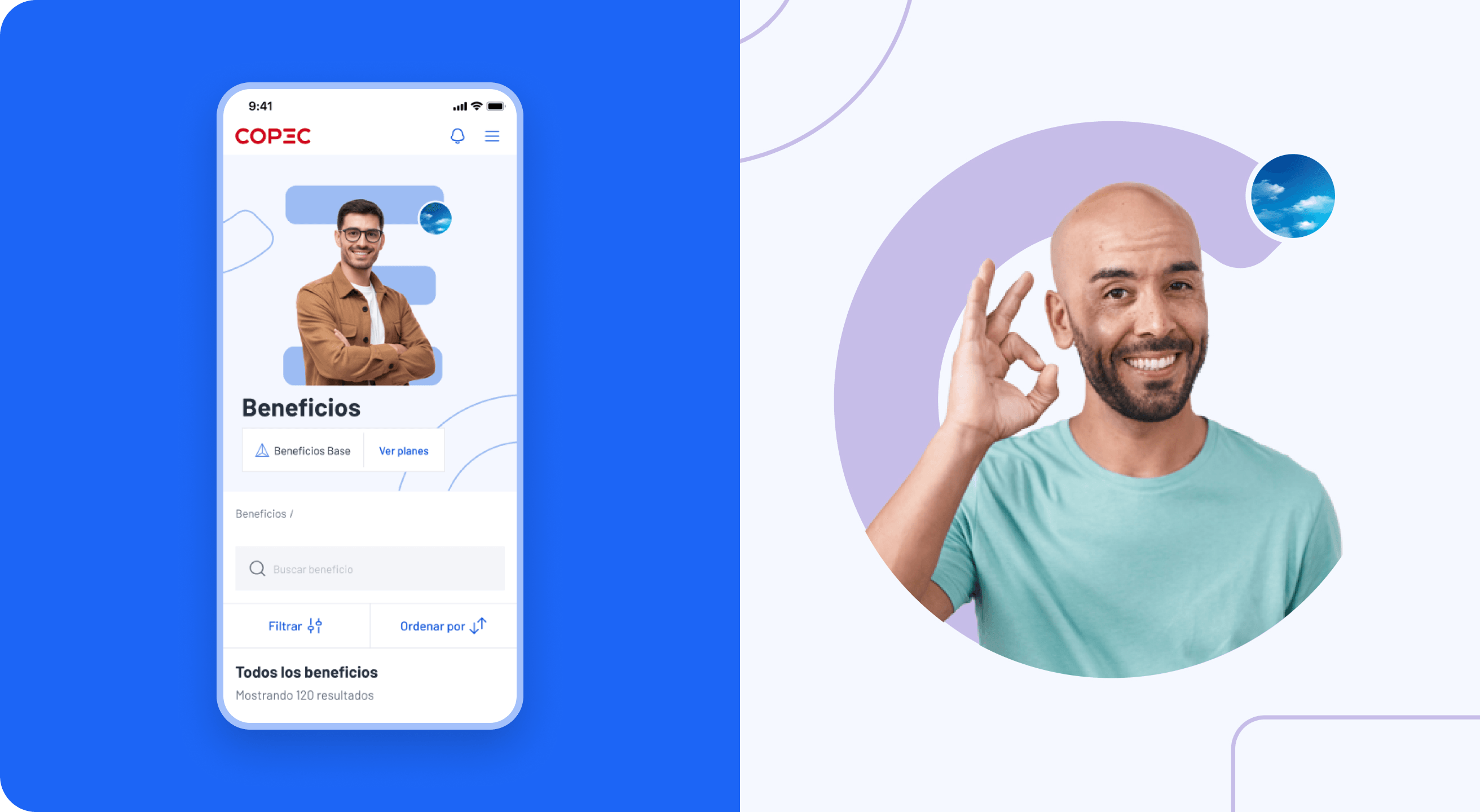
For the employee-facing platform, we prioritized a clear, consistent, and easy-to-learn experience. The design relied on a defined visual guide, using color strategically to highlight key actions and interactions.
One of the main areas of focus was enabling users to review, compare, select, and change benefit plans based on their personal context — simplifying decisions that were previously complex and hard to track.
We also designed continuous feedback mechanisms to keep employees informed about the status of their requests, through messaging, stage-based traceability, and access to a full history. Standardizing flows and interactions was a key pillar in unifying the experience across a high volume of processes, significantly reducing the learning curve and improving platform adoption.
Administrator Platform
lead
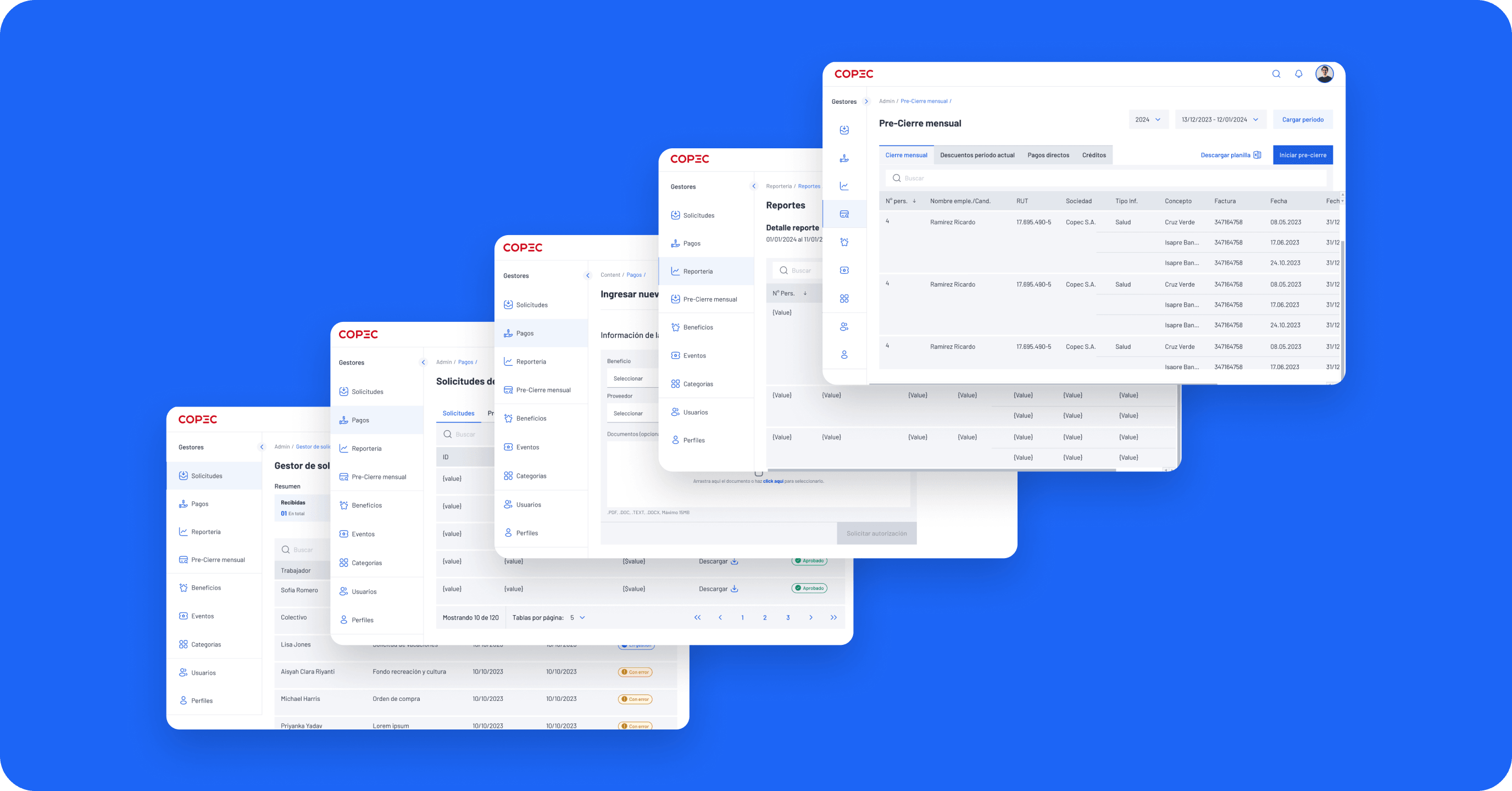
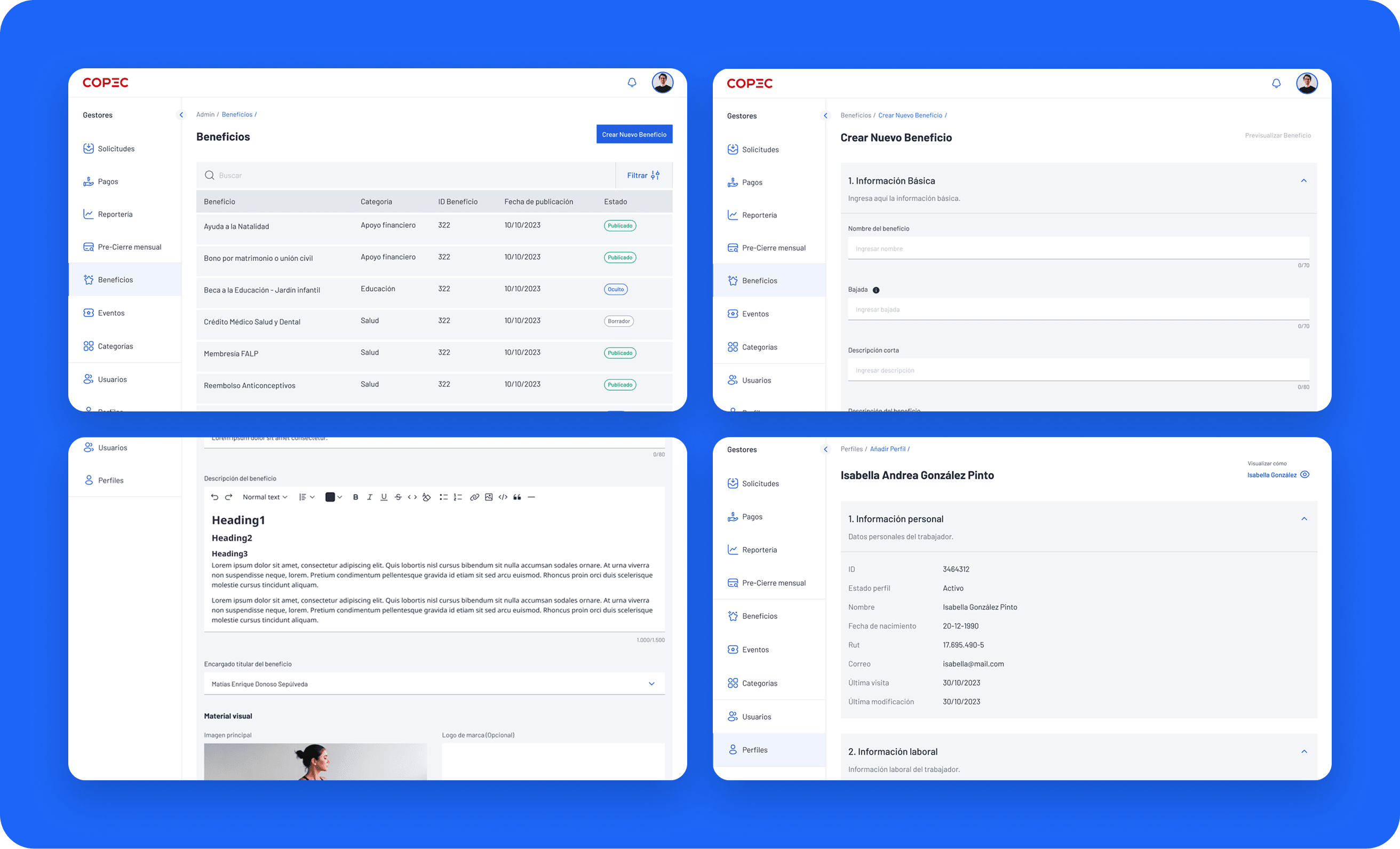
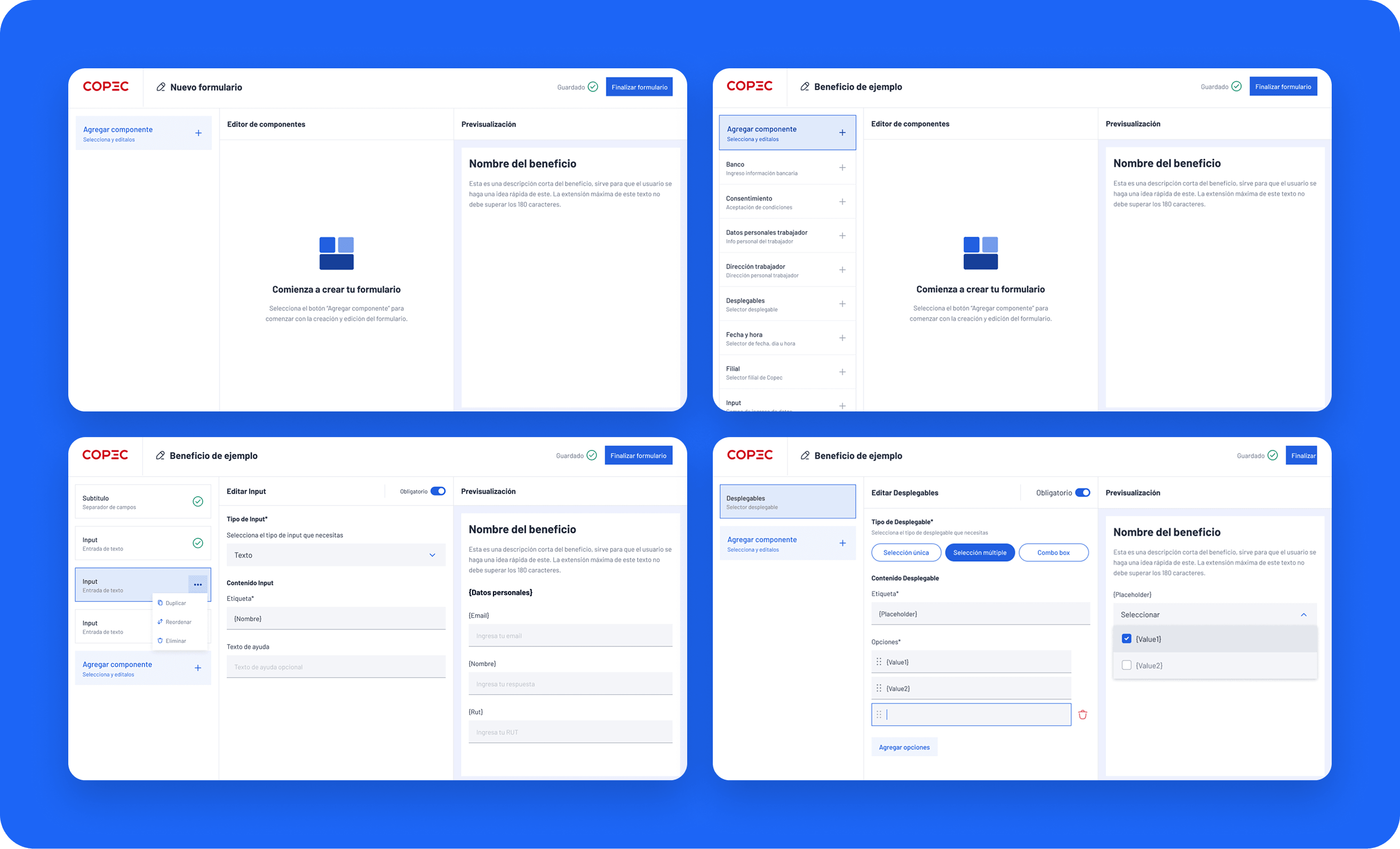
For the version aimed at HR administrators and managers, design principles consistent with the employee experience were applied, prioritizing clarity, standardization, and operational efficiency. The goal was to reduce the learning curve given the high volume of tasks and flows these profiles needed to manage within the platform.
Consistent interaction patterns and a clear structure were defined to facilitate request management and tracking, allowing administrators and managers to view the status of each case and improve communication with employees when needed. This approach helped optimize daily operations without increasing the system's complexity.
Results
≈ 80% Reduction
Reduction in manual HR processes
+300
Reusable components, organized into a scalable UI library
4.4/5
CSAT score for HR requests